
130. Unhitched: Talking Divorce with Therapist Oona Metz

 Apple Podcasts
 Castro
 RSS Feed
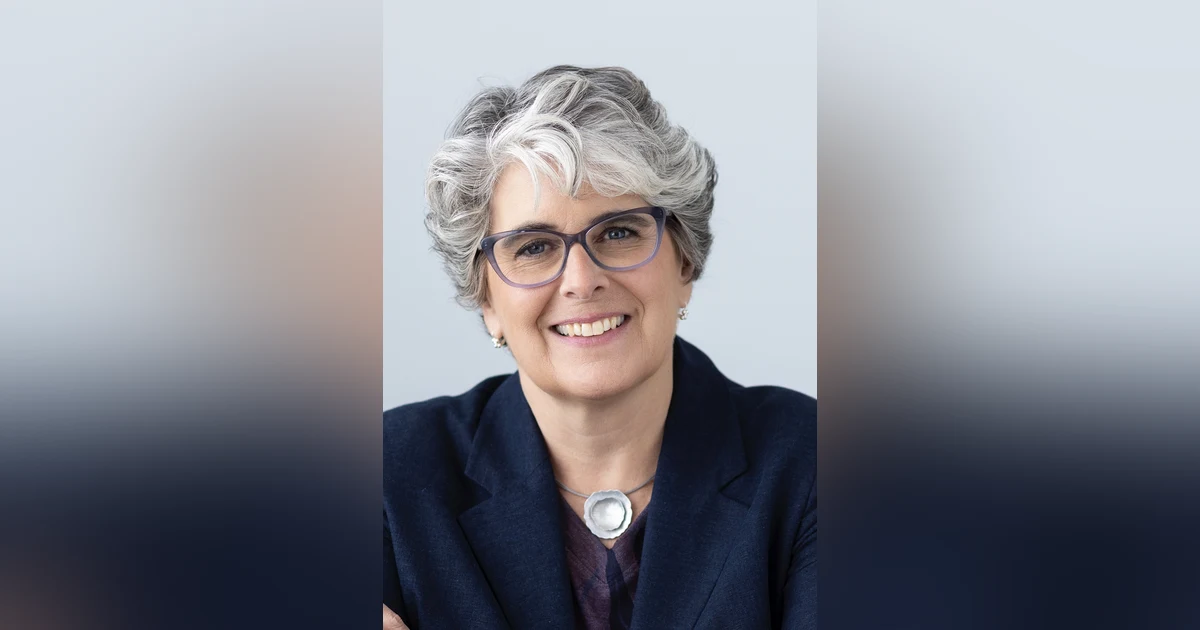
 Oona Metz is the author of Unhitched: The Essential Divorce Guide for Women. She is a therapist with 30 years of clinical experience. For the past 15 years Oona has specialized in treating women navigating divorce. She and Tracy discuss why divorce shame remains a stubborn relic, the grief of losing a marriage (even a bad one), and the power of peer support to get you. If you chose a divorce, or had one thrust upon you, Unhitched is a field guide to a better life on the other side.
Learn more about Oona at her Youtube Channel.
Instacart (0:00): We all prefer things a certain way, like groceries. If you want groceries just how you like them, you gotta try Instacart. They have a new preference picker that lets you pick how ripe or unripe you want your bananas. Shoppers can see your preferences up front, helping guide their choices. Because when it comes to groceries, the details matter.
Instacart (0:18): Instacart, get groceries just how you like. Pros,
Lowe's (0:24): save more on the materials you need to get the job done inside and out at Lowe's. Right now, get 10% off in stock Trex Naturals decking, now available in more styles. Plus, get 15% off select custom entry interior and storm doors. Then we'll deliver it all straight to your job site to help keep your jobs moving. Get the brand's pros trust priced right and ready when you need them.
Lowe's (0:45): Our best lineup is here at Lowe's. Valid through 05/27 while supplies last. Selection varies by location.
Verbals (0:52): With Verbals last minute deals, you can save over $50 on your spring getaway. So whether it's a mountain escape with friends, a family week at the beach, or sightseeing in a new city, there's still time to get great discounts. Book your next day now. Average savings, $72. Select homes only.
Unknown Speaker (1:28): Hey. Welcome to tell me how you're mighty, real talk about cheating. I'm Tracy Schorn, the blogger known as chump lady, where I implore people to leave cheaters and gain lives.
Sarah Gorel (1:37): And I'm Sarah Gorel, radio broadcaster by day, single mother of four. And thirteen years ago, my ex walked out on his family for his affair partner. And it didn't feel like it at the time, but my life is so much better without him.
Tracy Schorn (1:50): And we're here to tell you that you are mighty. We survived infidelity, and you can too. And this is our podcast. Welcome. Hey.
Tracy Schorn (2:01): Welcome. Today, we have Una Metz with us, and she's a therapist and the author of unhitched, the essential divorce guide for women. Una has thirty years of clinical experience. And for the last fifteen years, she's been specializing in treating women navigating divorce, which is a lot of our community. She holds weekly divorce support groups, and she trains mental health professionals to lead them too.
Tracy Schorn (2:25): Welcome, Una.
Una Metz (2:26): Thank you so much for having me. I have been such a fan of yours for so long. So this is a wonderful day to get to be with you in person or not in person, but you know what I mean.
Tracy Schorn (2:37): Oh, I really appreciate you doing this. So I'm kind of curious how you came to you have this long career, but it sounds like for the last third of it, you've just focused on women navigating divorce. How did you come to that fork? Like, did you feel like there was something missing in the resources that led you to write a book? Because that's how I came about being Trump lady.
Tracy Schorn (3:00): I'm curious if you have a similar story.
Una Metz (3:03): Yes. So many of us arrived in that way, didn't we? Yes, absolutely. I mean, was a therapist for fifteen years and I was leading groups for women, but they weren't divorce groups. And then I went through my own divorce and I looked around and I was like, Oh my God, I want to be in a group for myself.
Una Metz (3:22): I really want to be in a support group. But there were none. So you know, I thought, well, maybe when I get enough time away from my own divorce, this is something I could do. So a couple years later, I started one up and it was I mean, they're incredible. They're incredible groups.
Una Metz (3:39): It filled up immediately. I started two more. They filled up immediately. I have three groups that have been meeting weekly for fifteen years. All three of them.
Tracy Schorn (3:50): And you're in the Boston area, right?
Una Metz (3:52): That's right. Yep. And they're incredible groups. Know, people just change and grow so much in them and they're so supportive and people make lifelong friends from them. So it's such an honor and a privilege to be able to lead them.
Una Metz (4:07): And after all that time, I finally decided like I had so much good information in my head about the emotional journey of divorce and my clients were asking me for books. I couldn't find a current book that was written by a therapist about the emotional journey of divorce for women. So I was like, I guess I have to write it. So I did.
Tracy Schorn (4:31): And you point out a lot in your writing that women initiate most of the divorces. So I would think it's a different kind of emotional journey if you're abandoned versus if you decide I've had enough of this. You know, I I'm dealing with infidelity. That's what we write about and talk about here. And you can have both scenarios.
Tracy Schorn (4:49): You know, you could you could get left for the affair partner. You might decide you're sick of being plan b or, you know, you're on your umpteenth g day, and you leave. So tell me a bit more about the emotional journey or or how people navigate this because it would seem to me that there's different kinds of grief and different kinds of divorces, and a lot of it's sort of hung up on the future you thought you were gonna have. Any whether you choose to make a new future or it's thrust upon you, it's kinda hard.
Una Metz (5:18): Right. Right. I mean, I just wanna go back for one minute about something you just said, which is, I yeah, think the stats out there that seventy percent of divorces in straight marriages are initiated by women. And I'll tell you what I see is that a ton of women who initiate the divorce are initiating because their spouse has already left the marriage in some way. And oftentimes, by affairs too.
Una Metz (5:45): Like, they're having an affair and they want to stay married. Right?
Unknown Speaker (5:51): Yeah, that's not funny to me.
Unknown Speaker (5:54): Mean, it's crazy. No, it's not funny. It's terrible.
Tracy Schorn (5:58): That's most of the divorces in the community I have. It's that they're living in this situation where the person's good to be king, you know, or queen. But but, you know, it's it's good to be the cheater. It's good to be the one with the entitlement until finally, Trump has had enough.
Unknown Speaker (6:14): Yeah. And then has to bear the brunt of doing all of the work, of leaving too.
Tracy Schorn (6:18): But I read about it in my book. I I liken this. It's a really gruesome example. But I liken it to those civil wars where they force people to shoot their own family members. You know?
Tracy Schorn (6:29): It's it's like a terrible, like, war crime. And that's kinda what it feels like. It's like, I didn't destroy this thing, but you're making me put the bullet in it to get out.
Unknown Speaker (6:38): Yes. That's right.
Sarah Gorel (6:40): And I think that that is one of
Una Metz (6:41): the things that I really work with women when they're feeling guilty. A lot of times women will come to me and they'll say, I feel so guilty about initiating this divorce. Like I'm breaking up my family and I'm worried about my kids and I feel so guilty. I'm like, well, let's take a look at what's going on though. What's going on in your marriage?
Una Metz (7:00): And if in fact your spouse has already left in one of multitude of ways, let's think about who's really ending this marriage, right? You might have to file the paperwork, but that doesn't mean you haven't tried and tried and tried to make things better. You know, if you're on a bicycle built for two and you're the only one pedaling and your spouse is on the back, you know, carrying a cement block with him, you know, there's not much you can do.
Tracy Schorn (7:29): Right. But often, don't you think that manipulation is coming from the bad actor, the the cheater, who's saying, you're a quitter. Like, I can't believe you would divorce me. Like, I fail to understand your hostility. You know, I make fun of this stuff, but when it's directed at you, it can really hurt your head.
Una Metz (7:48): No, it's awful. And I do think one of the other things I see all the time, and I know you see this too, is that when somebody has an affair, rather than look at their own behavior or accept their own behavior or take responsibility, they're so quick to blame the other person and to find fault or to say things that can be so traumatic like, Well, I never loved you in the first place, or I've been unhappy in this marriage for the last thirty years. Really? Well, why didn't you tell me that before? Right?
Unknown Speaker (8:22): So the level of kind of projecting onto the person who has not had the affair adds to the abuse.
Tracy Schorn (8:30): Sure. And and thank you for saying the word abuse. Because where I was gonna go with that is a lot of times when they say, I haven't been happy in years, the truth that emerges is that they've actually been checked out for years and been cheating for years. And they've had a double life for years. And you just got the memo.
Tracy Schorn (8:50): Or this comes after they've been discovered, they didn't wanna be discovered, and now they tell you about their unhappiness.
Una Metz (8:57): Right. Right. Well, it's a way of deflecting responsibility. It's a way of blaming the other person, right, rather than saying, I really messed up. I need to own that and take responsibility for that.
Una Metz (9:10): And I think, you know, what you were saying before about people and the way in which you have to kind of rearrange your thoughts about your future when you're faced with an affair. You know, I think affairs are almost always traumatic events. The discovery of them are traumatic events. You know, one of the ways I like to define trauma is that it changes your worldview. It changes the way that you understand how the world works.
Una Metz (9:39): So if you understood that you were in a marriage that was monogamous or you were in a marriage where both people told the truth or you were in a marriage until death do you part or you were in the marriage where each of you were respectful to each other, and then that knowledge or that belief system gets smashed on its head. Right? Then I think it can put into question everything else. Right? Like if this one particular thing that I believed in wasn't true, then what else isn't true?
Una Metz (10:12): And that I think is just one of the worst kind of sequelae of an affair is the way that it can also not only disrupt your trust of your partner, but your trust of other people and more importantly, trust of yourself.
Tracy Schorn (10:28): Yeah. How you perceive things. And I getting to her earlier point about what was lacking in the divorce world or writing about infidelity is that what makes me crazy is the minimization in our culture telling you that this is like not being asked to the prom or something. This minimizes how traumatic it is to have those worldviews challenged, that you were the Pollyanna, you were the stupid person to believe in the promises made to you. We blame the victim, and we center the cheater, and we never ask to the cheater, You fronted a fake investment.
Tracy Schorn (11:04): This person was not wrong in believing in what you said, in monogamy, in these ideals, because you presented in one way, and this person invested and gave you their labor and their time and their money, and you defrauded them. I mean, so, of course, that's traumatic. And yet we don't talk about it in those terms.
Una Metz (11:26): Right. And I think, you know, so often the women that I work with, when they've been duped, they feel so ashamed of themselves. And part of my work is to help them to see like they're not the person who should be feeling shame. And this is not about whether you're smart or not. I mean, I
Unknown Speaker (11:47): have
Una Metz (11:47): clients with PhDs and Masters degrees who are incredibly successful and across the whole spectrum of education and success and smart who get duped by people who are really good at duping them. And it's not because they're dumb or they didn't see it or they didn't wanna see it. It's because they were with somebody who was really good at duping them.
Tracy Schorn (12:12): Yeah. They were they were deliberately hiding that part of themselves. Where do you think the guilt comes from? Because you write a lot about identities and women's roles. And are you a failure if you get divorced?
Tracy Schorn (12:24): Can you tell me a bit about unpack the the guilt and the the shame feelings? Like, why why is this your shame? Like, you don't have a hooker habit. Why why are you embarrassed?
Una Metz (12:33): Right. Right. I mean, women, I think, were so socialized, right, to keep the family together, to keep the kids together, to be the great parent, you know, if we're in a heterosexual marriage, to keep our husband in line. I think there's a fear that people are gonna talk, which oftentimes does happen. It's not an unrealistic fear that people are going to talk and that somehow the woman is going to be to blame if her husband has an affair.
Una Metz (13:04): That she didn't do something well enough or she wasn't good enough in bed or she gained that weight or whatever it was that somehow made him go and have an affair. Yes, we know that people aren't made to have an affair by any of those things. Right? There's other ways to solve if those are in fact problems. There's there are other ways to solve those problems than going and having an affair.
Tracy Schorn (13:34): Totally agreed. So you're confronted with this d day. You're looking at divorce, down the barrel at this. What do you tell people who are just starting out, who are just, you know, at the beginning of a journey? Like, what do you think they should know that most people aren't gonna tell them that they don't know?
Tracy Schorn (13:50): How do you triage this as a therapist? When you go in, what do you want them to know right away?
Una Metz (13:54): Well, in the very, very beginning, all I want them to do is just take care of their body, really. Like, in those first days when you find out as a therapist, I wanna make sure they're are they eating and are they sleeping? And if they're not eating or sleeping, I want to help them to figure out how to eat and sleep because their central nervous system is going to be on fire. Right? And we need to help them to bring their central nervous system down so that they can manage life.
Una Metz (14:25): I also really talk to people about, you know, when you're under this level of stress, and it's very, very intense stress to learn this kind of information. But when your stress goes up, your cognition goes down. And so I think oftentimes people get into this fight flight situation, and sometimes if they're in flight, they wanna go ahead and make decisions very, very quickly. And I so I just try to slow things down a little bit because it's hard to make good decisions.
Unknown Speaker (14:58): Well, see, I'm gonna stop you there because this this is one of the the beefs I I have.
Unknown Speaker (15:04): Yes. Okay. Good. Good. Good.
Tracy Schorn (15:06): With the conventional wisdom about infidelity, one of the old saws out there is don't make any decisions for six months, which I think is bananas.
Unknown Speaker (15:15): No. No. No. No. No.
Una Metz (15:16): I wouldn't say six months. I mean, like, six days. If you find out in the first week, you don't be like, I'm putting my house on the market right now.
Tracy Schorn (15:25): Yeah. Right. No. You gotta talk to the attorneys. You gotta get your money together.
Unknown Speaker (15:29): Yes. Exactly.
Tracy Schorn (15:32): But I have seen this advice of slow down, calm down, don't overreact, take a, I'm gonna say, misogynistic turn into don't be hysterical, don't overreact, don't put your bowels in an uproar, calm down. And then if you're on the fence that you think you're gonna reconcile, you're gonna miss your chance. You know, you're gonna lose the pick me dance. That Wiley affair partner is gonna win, and you're gonna lose out. And so I think the reconciliation industrial complex, as I call it, keeps chumps in limbo at great peril.
Tracy Schorn (16:04): Because in my triage kit, in addition to what you said, absolutely take care of your body, get your sleep, get your people together, is lock down your money.
Unknown Speaker (16:14): Absolutely. Not trustworthy.
Tracy Schorn (16:16): This person is not your friend. Yeah. They are your adversary. And you need to accept that right now and protect yourself. That's my number one thing.
Tracy Schorn (16:24): Protect yourself. Because if you wait six months to protect yourself, this guy is moving his money. He's telling you he's gonna reconcile. He's, you know, bamboozling you, and you are paralyzed with shock, and you're vulnerable. Mhmm.
Unknown Speaker (16:41): Yes. Very vulnerable. Right.
Tracy Schorn (16:43): Don't spend time in that paralysis state. Mhmm. Right.
Una Metz (16:48): A part of being able to get out of paralysis is, right, being able to get some sleep and get some calories into your body so that you can function. But I completely agree with you. I would not be waiting six months. I'm just saying in that first days or or weeks.
Tracy Schorn (17:05): Have you heard that? Because that that's what used to be all out there. That's on all the infidelity boards. Don't do anything.
Speaker 6 (17:12): Ryan Reynolds here from Mint Mobile with a message for everyone paying big wireless way too much. Please, for the love of everything good in this world, stop. With Mint, you can get premium wireless for just $15 a month. Of course, if you enjoy overpaying, no judgments, but that's weird. Okay.
Speaker 6 (17:27): One judgment. Anyway, give it a try at mintmobile.com/switch.
Speaker 7 (17:33): Upfront payment of $45 for three month plan equivalent to $15 per month required. Intro rate first three months only, then full plan options available. Taxes and fees extra. See full terms at mintmobile.com.
Speaker 8 (17:42): This podcast is sponsored by Talk Space. May is mental health awareness month, and Talk Space, the leading virtual therapy provider, is sharing the message that connection is crucial because good relationships are an essential and sometimes overlooked component of mental well-being. If your relationships could use some strengthening, a licensed therapist from Talkspace can help. Therapy can help you communicate better with loved ones, repair conflicts, and understand how to address loneliness and build community. It's easy to sign up.
Speaker 8 (18:10): Just go to talkspace.com, and you'll be paired with a therapist within two days. You'll meet with your therapist online on your schedule. Plus, Talkspace is in network with most major insurers, and most insured members have a $0 co pay. Make personal connections a priority and start today. If you're not covered by insurance, get $80 off your first month with Talkspace when you go to talkspace.com and enter promo code space 80.
Speaker 8 (18:34): That's s p a c e eight zero. To match with a licensed therapist today, go to talkspace.com and enter promo code space 80.
Tracy Schorn (18:41): Did you get some bad advice when you went through a divorce?
Unknown Speaker (18:44): I have gotten bad advice. Yeah.
Unknown Speaker (18:47): Do you get any shame, guilt, or
Una Metz (18:49): well, not too much shame, but I think not understanding what the laws in my state were, like, decisions too quickly without really understanding what the ramifications were. So yeah. Yeah.
Tracy Schorn (19:05): Do you tell women in your groups to research the laws? Do you know about women'slaw.org? I recommend them all the time. It's a great organization. It's a legal organization.
Tracy Schorn (19:14): They have a legal helpline staffed by law students.
Unknown Speaker (19:17): Oh, cool. Great.
Tracy Schorn (19:19): But they have all the divorce laws for every state online. Every state, you can go look them up.
Unknown Speaker (19:25): Every state. Yeah. That's fantastic.
Tracy Schorn (19:28): Yeah. And every domestic, you know, abuse, women's shelter also by state resources. It's a terrific resource. I'm just plugging them. Women'slaw.org in The US.
Tracy Schorn (19:39): I'm I if there's a UK equivalent, people listen to this podcast elsewhere, drop me a note.
Una Metz (19:45): That's amazing. I'll add that to my website. That's a fantastic resource. I definitely want people to be educated and to know also that there's different divorce laws in every single state. Luckily, we're in Massachusetts where we don't have a waiting period.
Unknown Speaker (20:02): That's good. Because those waiting periods are I just feel like how many women are going to die in that waiting period?
Tracy Schorn (20:09): Look at the case in Virginia. Yes. Yes. And my heart goes out because I got divorced in Virginia, you know, a long in my a long time ago when I was a young mother. In Virginia, and the law is still this way, you have to wait a year and one day.
Tracy Schorn (20:23): The day is for spite. A year and one day of physical separation. The clock does not even start ticking until you have two separate residences before you can file.
Unknown Speaker (20:34): That's insane.
Tracy Schorn (20:36): It's insane. It took me nearly two years to divorce my first husband, who did not want to be divorced.
Unknown Speaker (20:42): It's insane, but it's also just so dangerous.
Tracy Schorn (20:46): Yeah. It is dangerous. Yeah. It's crazy. It really stresses people.
Unknown Speaker (20:51): Right.
Unknown Speaker (20:52): Oh my god.
Tracy Schorn (20:53): You can buy a gun in the same day. You gotta get divorced. You can't you gotta wait two years. It's just like bananas. But I think Australia has waiting periods too.
Tracy Schorn (21:04): And now they wanna talking about divorce reform now. They wanna drag the clock back and make it harder. And
Unknown Speaker (21:10): Oh, yes. Oh, oh my god. Taking away that no fault divorce. That gets
Tracy Schorn (21:16): brought up sometimes because I think when people are are going through a traumatic divorce, which is pretty much the infidelity divorce, they see the injustice and they want fault.
Unknown Speaker (21:28): They want a consequence. That's what they want. Yes.
Tracy Schorn (21:31): They want a consequence. They want fault. And what I tell people, and I'm curious about your thoughts on this, is that the law does not care about your broken heart. The law cares about money and dissipation of marital assets and things you can document and ask for that. But sometimes people think, oh, no fault divorce means that, you know, I'll be seen.
Tracy Schorn (21:51): And if you look at the history of it, it was terrible. It locked women into these abusive marriages, and no fault divorce was a good thing. It's just that we need something that looks at the economic injustice. It's a thorny legal issue, but sometimes I think people are confused about, you know, why why is no fault divorce a good thing? And, you know, why don't we want that?
Tracy Schorn (22:13): I want that infidelity to be considered when I'm going through my divorce.
Una Metz (22:17): Right. But on the other hand, consider the woman who's been emotionally abused for twenty years, doesn't have a scar, right, but doesn't have a bruise, a physical bruise, but has been emotionally abused and goes to court to try to prove in a fault situation that she's been abused and then has to pay a lot of extra money to lawyers to prove her case and provide evidence. Then there's, you know, the other side coming back. No. You abused me or, you know, whatever.
Unknown Speaker (22:53): I think the people who are gonna benefit are the lawyers who will benefit.
Tracy Schorn (22:57): Well, the lawyers and also I mean, going back to the nineteen seventies when we first duked this out with the women's movement, you know, women weren't working outside the the home much. They weren't in the workforce. So who had the economic power to keep them trapped in marriages? I mean, this happened to my aunt, and I I've talked to her on the we've interviewed her for the podcast, my aunt Joy. She got divorced in the seventies before women could get credit.
Tracy Schorn (23:20): She couldn't retain an attorney. So she finally cut her male boss to cosign a loan so she could put a retainer down. This is in my lifetime. So we don't wanna go back to that.
Unknown Speaker (23:31): No. We really don't.
Tracy Schorn (23:33): So okay. Let's talk about the happier side of divorce. I'm sure it's hard to, like, sell this on your clients and your support group people in the early days. But how do you give them hope that there's a better day out there?
Una Metz (23:45): I really do hold this kind of dual belief about divorce, that it is always stressful and heartbreaking and, you know, difficult and awful. And there is a way in which it can also provide some real opportunities for growth and healing and empowerment that people didn't even think was possible. Like so many people have come to me and said this is the worst thing that could have happened to me. And by the time they leave my office, know a couple years later, they're like, you know what? I never would have wanted this, but it's actually the best thing that could have happened.
Una Metz (24:23): And so it doesn't happen for everybody, but for many, especially for women. I think for many women it does happen that they feel in a stronger, happier, more empowered place after their divorce. And it is hard to sell that. You know, I don't try to sell that to people when they come in and it's just day one, right? But one of the things that's so helpful about my support groups is that people are in different stages of divorce, and so the people who are further along really offer this beacon of hope to the people who are just fresh into the process.
Una Metz (24:59): And for the people who are further along, when somebody comes in who's fresh in the process, it really helps give them perspective about how far they have come. Right? Sometimes it's so hard to track your own progress because you're living in yourself every day. But when you see somebody else, you're like, Oh my God, I remember when I was crying every single day. Know, and now, wow, I feel a lot better.
Una Metz (25:25): So, yeah.
Tracy Schorn (25:26): Sure. And I think too when you're going through it, you're not going to feel great. Like, it just sucks. I mean, it's just it's like a meat grinder. It's going to be painful.
Tracy Schorn (25:36): But the pain is finite. That's what I tell people. And you will get to the other side of it, and there is a better side, and you will arrive on it. I got two questions for you. One thing that drives me crazy about the divorce narrative is, being friends with your ex as this aspirational thing that we're all gonna be friends and only the enlightened people are friends with their exes.
Tracy Schorn (25:58): And they all go on carnival cruises together and they have Thanksgiving and, you know, they're a big happy blended family. And I think the reason that people divorce is usually incredibly painful. I mean, it's infidelity. It's untreated mental illness. It's addiction.
Tracy Schorn (26:15): It's not the stuff of friendship. So why is this crazy idea about divorce out there that we should all be, like, consciously uncoupling? Well, know
Una Metz (26:24): why part of it is? I think it's because of celebrities. I mean, I wrote an article about this because I was so mad. It was actually when Reese Witherspoon got divorced. Her divorce announcement said something to the effect of, it is with great love and respect and kindness that we have decided to you know, I was like, am I reading a wedding invitation here or a divorce announcement?
Una Metz (26:51): Because like, why?
Tracy Schorn (26:54): Well, bully for you. I'm so glad you don't have those ugly feelings.
Unknown Speaker (26:59): Why in the world would you get divorced if you have great respect, love, and kindness and care for each other? That's not what a divorce is. And so I think that's part of the issue, is these celebrities. And, you know, I'm not saying that celebrities should air their dirty laundry. I'm not saying that.
Una Metz (27:20): Well, they probably have NDAs that
Tracy Schorn (27:21): they cannot. And so I would say be very cynical about the celebrity that is peace, love, and granola about their divorce.
Una Metz (27:27): Yes. But just how about don't say anything or just say we've decided to divorce and we would like privacy, you know, or something.
Unknown Speaker (27:37): Yeah. Very classy.
Una Metz (27:38): But not this whole bullshit of there's, you know, where it's great love and respect and kindness. Come on. So I think that's part of it. And you know, I think there's a very small minority of people who are able to be friends with their exes.
Unknown Speaker (27:55): Thank you. Yeah.
Una Metz (27:57): Great. It's a small minority. And otherwise, it's either not good at all or, you know, very, very contentious, or it's kind of a cordial distance. Cooperative, but cordial.
Tracy Schorn (28:13): That's the gold standard. Yeah. Cooperative and cordial.
Una Metz (28:16): That's what I have with my ex, you know, with my co parent is we're cooperative, we're cordial, we don't hang out, we will spend time together at my daughter's events. But, you know
Tracy Schorn (28:27): Are you still in the co parenting trenches?
Unknown Speaker (28:29): Kind of. She's in college now, so not so much. But yeah.
Tracy Schorn (28:33): But everybody's following court orders. Nobody's, like, stiffing the other person on support.
Unknown Speaker (28:38): No. No. No. No. We we took our agreement, we put it in a drawer, and it never came out again.
Una Metz (28:44): So that's great. And, you know, I don't wanna go spend time hanging out with her either. So
Tracy Schorn (28:49): Understandable. Yeah. But so well, that brings me to my my next in the similar vein of, you know, conscious uncoupling is that I think with women especially that no one's allowed to be angry about divorce. And this is making me crazy about the belle burden right now. And and in fairness, I I have it on my audiobook list, and I have not listened or read her book yet.
Tracy Schorn (29:12): But I did see the Oprah interview, and it absolutely made me crazy. I mean, she's classy. She's privileged. She's putting forth the chump message. She's not keeping a secret.
Tracy Schorn (29:23): She's saying he cheated. She's being very open about, you know, being summarily abandoned. And her children, he canceled his subscription to adulting and doesn't want anything to do with his kid, which makes him a reprehensible person in my book.
Unknown Speaker (29:38): Totally.
Tracy Schorn (29:39): But she's not allowed to have any no no anger. And the the Oprah interview is, well, we move past the messy anger. Right? We're we're not angry anymore. And I just thought, this woman was abandoned.
Tracy Schorn (29:52): She got financially defrauded by this guy is what it sounded like. Yeah. Yeah. Yeah. Yeah.
Tracy Schorn (29:57): Her kids will have to be in therapy for life because dad was just like, yeah. Bye. But she can't be angry. So explain that to me. Like, why aren't we allowed to be angry?
Una Metz (30:10): Well, white women aren't allowed to be angry, but boy, oh boy, black and brown women really aren't allowed to be angry in our society. Right?
Tracy Schorn (30:19): Oh, right. They're totally demonized. Right. Yeah.
Unknown Speaker (30:22): Yes. Yes. Yes. And I think Bell Burton has a certain way of being that's very calm and
Tracy Schorn (30:31): No. God bless her. I mean, I think she's getting the message out in a way that only the right kind of ambassador can. Very white, very privileged, very beautiful, very presentable on TV. I mean, it's progress that we can talk about these things, but we cannot be angry.
Tracy Schorn (30:50): It's not that I want to be angry because, you know, as Trump lady, I get accused of that in my writing. It's that I just think it's bullshit. I don't think you can go through these kind of traumatic experiences, these abusive experiences, and not angry. In fact, anger I think is fuel. It can get you to the other side.
Una Metz (31:08): Absolutely. I mean, a lot of the work I actually do in my groups is helping people to be angry and to use it as fuel. And not to be angry like ghost slashes tires or something like that, but to feel, to have access and to feel the right to be angry. Because what that person did to you, you deserve to feel angry. And can you use your anger as fuel to move you forward?
Una Metz (31:37): Actually, just yesterday I was working with somebody and I said she's like, I have no access to my anger. And I was like, I want you to imagine if this same thing happened to your daughter, how would you feel? And she was like, Oh, I'd kill him. I'm like, Okay, here we go. You know, that's the first step.
Una Metz (31:55): That's the first step. You can see it in somebody else, but not yet in yourself. And we're going to need to spend a long time unpacking that because that's a very old pattern that's developed.
Tracy Schorn (32:06): But this woman cannot be alone. This is a very, very common pattern. As you started off by saying, you will be vilified.
Unknown Speaker (32:16): Oh, very common.
Tracy Schorn (32:17): In the wider discourse, if you come out as being angry, you're scorned, you're bitter. Bitters, the pejorative, they always love to throw at women when they talk about divorce. And I think people are at pains. You know? Reese Witherspoon, you know, in in putting out her love fest divorce announcement is no one's gonna call her bitter.
Tracy Schorn (32:39): And I think that that's nobody wants to be called bitter.
Unknown Speaker (32:41): Right. Yeah. I think you're allowed to be angry for a day or two. Right? But then you have to get over it or sad for a day or two and then get over it.
Unknown Speaker (32:49): Hurry up. Hurry up. Get over it. But the thing is the abuse keeps going on. Oh, absolutely.
Una Metz (32:56): I mean,
Tracy Schorn (32:56): if you're divorcing a fuckwit, there's post separation abuse. These are real things. There's domestic abuse.
Una Metz (33:03): Yeah. Even if there's not post separation abuse, it still takes a long time to get over that level of betrayal. I mean most of the time there is post separation abuse, but even if there's not, it still takes a long time to get over that kind of betrayal. You know there was, on social media this morning, there was some guy who shot his wife in the neck and then he was running around in Tennessee and they were looking for him. And then they just found him today and he shot himself.
Una Metz (33:37): I'm sure because she was leaving him. I'm sure that's had to be. And the commentator on social media said, I'm so glad the wife is okay. I'm like, Okay? Okay, she's alive.
Una Metz (33:49): She just got shot in the neck, and then her husband disappears and is running around the woods of Tennessee. You think she's okay? And then he kills himself? She is not okay. And it's gonna take her a very long time to be okay.
Una Metz (34:05): Like, we have to stop saying that people are okay because physically their wounds didn't kill them. Like, that is so traumatic.
Tracy Schorn (34:16): And you can only imagine how terrorized she must have been in her marriage. I mean, if that's the way this guy was behaving when she left, you know, when you're telling that story, was thinking I'm old enough to remember the DC sniper attacks twenty some odd years ago. I was living in the DC area then. And that turned out to be the guy who did it was killing people randomly because he wanted to kill his wife because she got custody of the kids and then divorced.
Unknown Speaker (34:41): I feel like it's happening all the time now. I feel like every other day I hear about another case that's happening, like murder instead of divorce.
Unknown Speaker (34:49): Yeah. Wow. Oy. Oy. Oy.
Unknown Speaker (34:52): And so we need your divorce support groups. We need you to help help walk women to the other side.
Unknown Speaker (35:00): Yes. Yes. Yes.
Tracy Schorn (35:02): So tell me about the book and how is it going and what made you decide to put the book together?
Una Metz (35:08): What made me decide to put the book together was just fifteen years of leading these groups and after every group just feeling like, oh my god, what that person said was so important. What this person said was so poignant. What I said to this person really landed on, you know, so it just felt like I had so much good information in my head about the emotional journey of divorce. So I finally decided to put it all down on paper and it's been great. It's been out for three months and it's had really great reception.
Una Metz (35:39): I just finished a little book tour. It's been great. It's also an audiobook. I narrated it, is very, very important to me to have it be an audio version because as a safety issue, it's both like a learning issue. Like some people just prefer that, a style issue.
Una Metz (35:56): But also a lot of women think about divorce for a long time before they initiate it. And so you may not want to have it on your bedside table, but you can have it in your ears.
Tracy Schorn (36:07): That's right. It's so audio, it's so important. I'm actually just today, I just scheduled reading my own book. The first when my book came out ten years ago, I didn't get a chance to read it. But this time, it's it's being reissued in September, and I do get to read it.
Unknown Speaker (36:21): Yes. Congratulations. That's great.
Tracy Schorn (36:25): Thank you. Thank you. Any tips you have for reading your entire book?
Unknown Speaker (36:29): I do have a lot of tips. I mean, my biggest tip is it's exhausting. So make sure you do not plan anything else. On those days, it took me four days to do it. It took eighteen hours to do an eight hour audiobook.
Una Metz (36:44): Just the level of concentration and modulation, it's very tiring. So drink a lot of tea and you have absolutely no idea how much your stomach crumbles until you have to record an audiobook. Because when I went into the studio, they were like, Okay, we're going to have to plan out your meal times. And I was like, oh, my stomach doesn't grumble. No worries.
Unknown Speaker (37:08): And then you get in there and this very sensitive microphone and suddenly you're like, oh, wow, my stomach actually grumbles. So take a break after lunch.
Tracy Schorn (37:17): They probably edited that out. Was gonna say, everybody go download Unhitched, the Essential Divorce Guide for Women, and hear Una's tummy grumble.
Una Metz (37:27): Oh, you'll be great. That's fantastic. It's really nice to have the author read the book.
Tracy Schorn (37:33): I think so. When I went through it the first time, they gave me the opportunity to audition, and I was able to ask the voice actors to say something. And I just said, just say the word fuck. Whoever can swear. And the woman, Laura Copeland, who read it said fuck better than the other person who I've forgotten.
Unknown Speaker (37:51): That's a great story.
Tracy Schorn (37:53): And people love it, but I can't listen to it because, anyway, we're we're get we're getting off topic. But thank you so much for being here, and everybody go check out unhitched. Thank you, Una.
Unknown Speaker (38:02): Oh, thank you so much. You do such incredible work, and I'm so glad that you exist in the world and you've helped hundreds of thousands, if not millions of people. So I really appreciate who you are and what you do. Oh, thank you.
Tracy Schorn (38:24): Reach out to us. You can check us out at tellmehowyou'remighty.com, or check out the blog at chumplady.com. I'm always open to your suggestions there.
Speaker 9 (38:44): There's a feeling a lot of homeowners share right now. Mortgage, always on time. Lots of equity. On paper, you're doing fine, but then the insurance bill lands. Property taxes, health care, child care, tuition, the math just isn't mathing.
Speaker 9 (39:01): Unlock wants to talk about the squeeze American homeowners are feeling and what you can do about it. Start at unlock.com/equity. Unlock Home Equity Solutions Inc, NMLS two six five seven zero eight one.
Speaker 10 (39:13): Marketing is hard. But I'll tell you a little secret. It doesn't have to be. Let me point something out. You're listening to a podcast right now, and it's great.
Speaker 10 (39:21): You love the host. You seek it out and download it. You listen to it while driving, working out, cooking, even going to the bathroom. Podcasts are a pretty close companion. And this is a podcast ad.
Speaker 10 (39:31): Did I get your attention? You can reach great listeners like yourself with podcast advertising from LibsynAds. Choose from hundreds of top podcasts offering host endorsements or run a pre produced ad like this one across thousands of shows to reach your target audience in their favorite podcasts with LibsynAds. Go to libsynads.com that's libsynads.com today.

Therapist and Author
Oona Metz is the author of Unhitched: The Essential Divorce Guide for Women. She is a therapist with 30 years of clinical experience. For the past 15 years Oona has specialized in treating women navigating divorce. She leads three weekly divorce support groups and trains mental health professionals to lead them as well. Unhitched has been featured on The CBS Morning Show with Gayle King and in Time Magazine.